

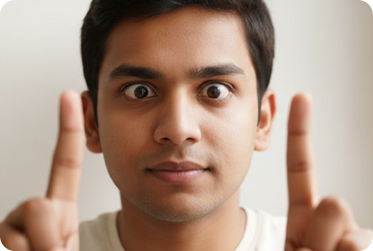
Squint- also known as strabismus (भेंगापन) is a condition where the two eyes do not align in the same direction. While one eye focuses on an object, the other eye may turn inward (esotropia), outward (exotropia), upward (hypertropia), or downward (hypotropia). This misalignment can be constant or intermittent and can affect one or both eyes.
Squint treatment restores eye alignment, improves binocular vision, and prevents long-term visual loss. Treatment varies based on the cause, severity, patient’s age, and presence of related conditions like lazy eye (Amblyopia).
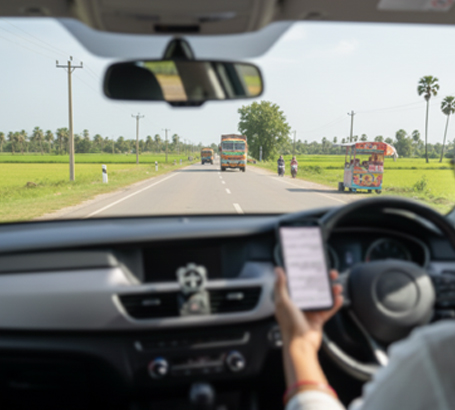
Uncorrected refractive errors (Especially longsightedness)
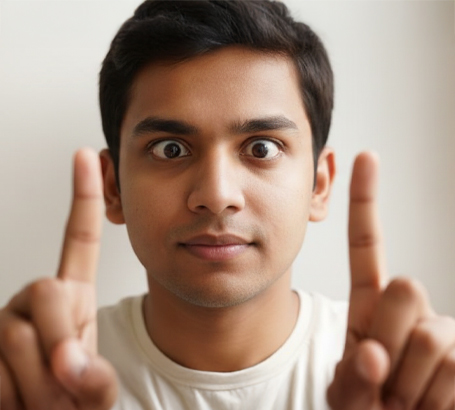
Imbalance or abnormal control of the extraocular muscles
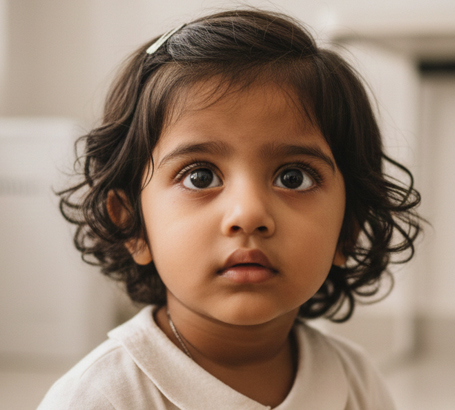
Delayed visual development in childhood
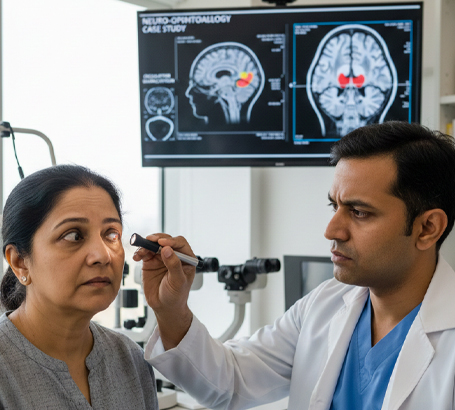
Neurological conditions affecting eye movement control
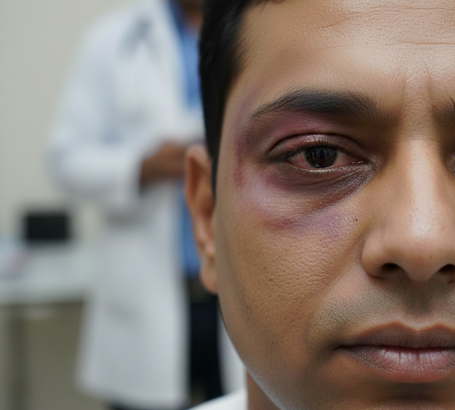
Trauma or injury to the eye or surrounding muscles
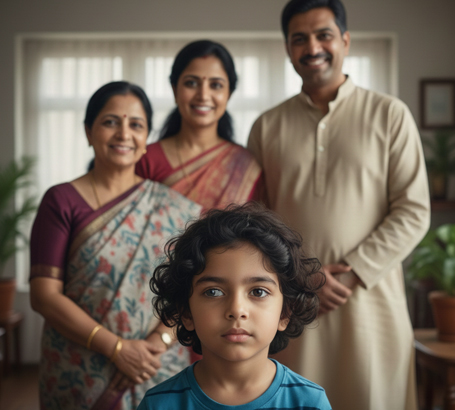
Family history of strabismus (genetic predisposition)

Associated conditions such as cerebral palsy, Down syndrome, or premature birth

Eyes pointing in different directions

Head tilt or turning face to use one eye more

Frequent blinking or closing one eye
Poor depth perception or clumsiness

eye strain or headaches

Double vision in older children or adults
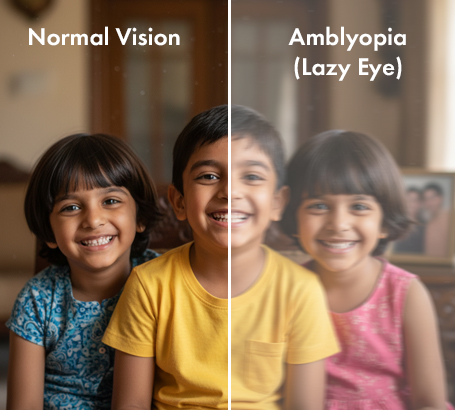
Amblyopia (Lazy Eye) reduced vision in the affected eye
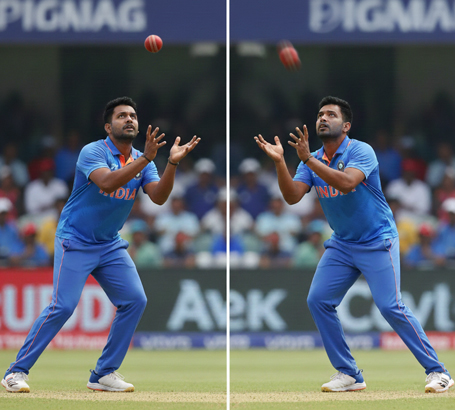
Poor depth perception difficulty with tasks requiring 3D vision
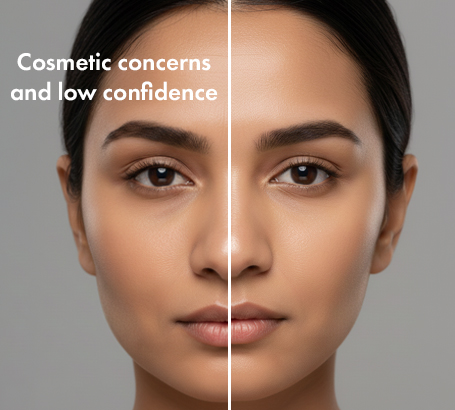
Cosmetic concerns and low confidence
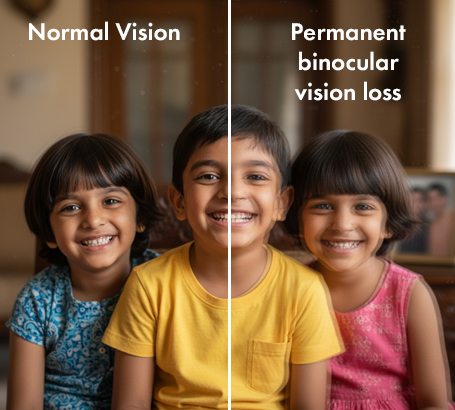
Permanent binocular vision loss
ASG Narang Eye Institute offers world-class LASIK powered by advanced laser platforms, detailed corneal mapping, and personalized vision planning. With expert surgeons, a strict safety-first approach, and easy EMI options, patients enjoy sharper vision, fast recovery, and the freedom from glasses with high precision and comfort.
When non-surgical treatments are… Read More
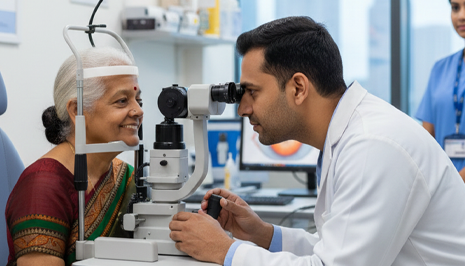
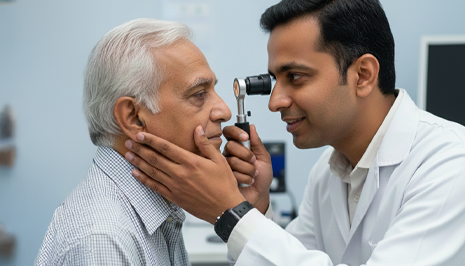
A comprehensive eye examination is done to assess eye alignment, vision in each eye, refractive errors, and… Read More
based on age, type of squint, presence of lazy eye (Amblyopia), and refractive error, your doctor creates a… Read More
Patients begin the recommended therapy- glasses for alignment, patch therapy for lazy eye, eye exercise for… Read More
for moderate to severe squint or when non-surgical methods are not enough, squint surgery is performed to… Read More
Post-surgery, eye drops are prescribed and follow-ups ensure proper healing, improved binocular vision, and… Read More
A squint is a condition where the eyes are misaligned and do not point in the same direction simultaneously. One eye may turn inward (Esotropia), outward (Exotropia), upward (Hypertropia), or downward (Hypotropia) while the other remains straight. At ASG, we treat this not just as a cosmetic issue, but as a functional one that affects your brain-eye coordination.
Squinting is usually caused by an imbalance in the six extraocular muscles that control eye movement. It can also be triggered by high refractive errors (like extreme farsightedness), nerve damage, or genetic factors. In adults, sudden-onset squint may be related to underlying health issues like diabetes, high blood pressure, or neurological conditions.
No. While the misalignment is visible, the more serious issue is the loss of Binocular Single Vision. When eyes don’t align, the brain may ignore signals from the misaligned eye, leading to Amblyopia (Lazy Eye) and a total loss of depth perception (3D vision).
A common myth is that squints cannot be treated in adults. At ASG Eye Hospital, we successfully perform squint correction surgeries for patients of all ages. While childhood treatment is ideal for developing 3D vision, adult surgery can significantly improve the field of vision, eliminate double vision, and restore facial symmetry.
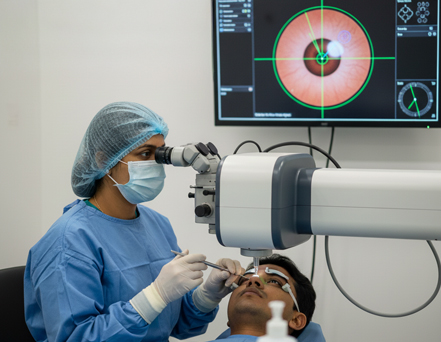
Our specialists perform a series of Orthoptic Tests to measure the exact degree of deviation. This includes:
Prism Cover Tests: To measure the angle of the squint.
Synoptophore Evaluation: To check how well the eyes work together.
Dilated Fundus Exam: To ensure the internal health of the eye isn’t the cause.
Not all squints require surgery. Depending on the type and severity, we may recommend:
Corrective Glasses: Often, correcting farsightedness can straighten the eyes.
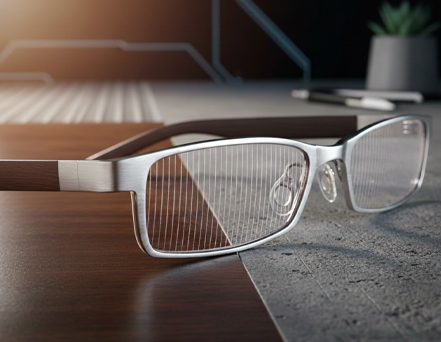
Prism Lenses: Specialized glasses that shift the image to align vision.
Vision Therapy: Exercises to strengthen the eye muscles and improve coordination.
Patching (Occlusion Therapy): To treat a “Lazy Eye” by forcing the brain to use the weaker eye.
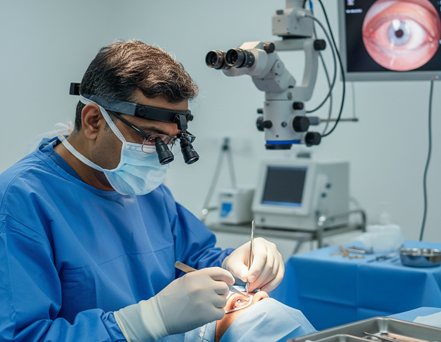
Squint surgery is a day-care procedure where the surgeon accesses the eye muscles through the conjunctiva (the clear white part). We either “weaken” a muscle by moving its attachment point back or “strengthen” it by shortening it. At ASG, we use absorbable sutures, meaning no stitches need to be removed later.
The surgery is performed under anesthesia, so it is entirely painless. Post-surgery, you may feel a “gritty” sensation for a few days, similar to having sand in the eye. Most patients return to light activities and work within 1 to 2 weeks. Redness in the eye is normal and typically fades within 3–4 weeks.
While surgery has a high success rate (80–90%), there is a small possibility of the eyes drifting again over several years, especially if the underlying vision is very weak. Regular follow-ups at ASG help us monitor muscle stability and provide timely corrective exercises if needed.
ASG houses dedicated Pediatric and Strabismus specialists who handle complex and recurrent cases. Our surgeons use advanced adjustable suture techniques in specific cases, allowing for fine-tuning of eye alignment shortly after the surgery for the most precise results possible.
What do you understand by Cataract? A cataract is an eye condition characterized by the…
What is LASIK Surgery? LASIK (Laser-Assisted In Situ Keratomileusis) or laser..
What do you understand by Glaucoma? A Silent Thief of Sight Glaucoma is an eye condition…
What Do You Understand by Diabetic Retinopathy? Diabetic retinopathy is an eye…