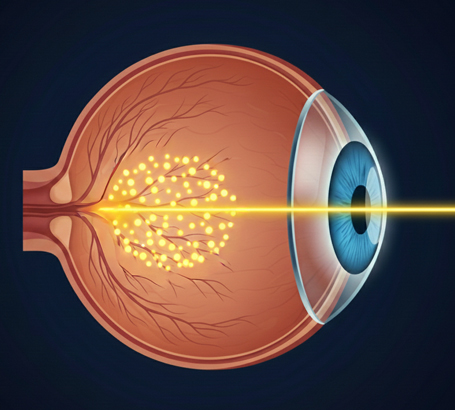



Diabetic retinopathy is an eye condition caused by prolonged high blood sugar levels that damage the tiny blood vessels of the retina. Over time, these damaged vessels may leak, swell, or close off, affecting the retina’s ability to produce clear images.
If not detected and treated early, diabetic retinopathy can lead to blurred vision, significant vision loss, and advanced cases, permanent blindness. Since the condition often develops without noticeable symptoms in its early stages, regular eye examinations are essential for all people with diabetes.
Treatment depends on the stage and severity of the disease. Early detection allows timely intervention, which can slow progression and prevent serious vision loss. Treatment options may include laser therapy, intravitreal injections, or advanced retinal surgical procedures to control leakage, reduce swelling, and protect vision.
Blurred or fluctuating vision

Small dark spots, floaters, or lines in the field of vision
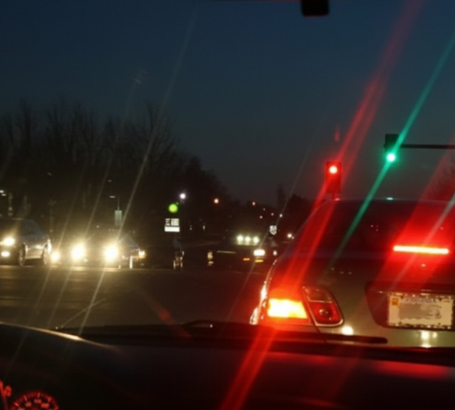
Difficulty reading or seeing at night

Colours appearing faded or washed out

Sudden vision loss in the advanced stages

Eye discomfort or pressure (usually in advanced complications)
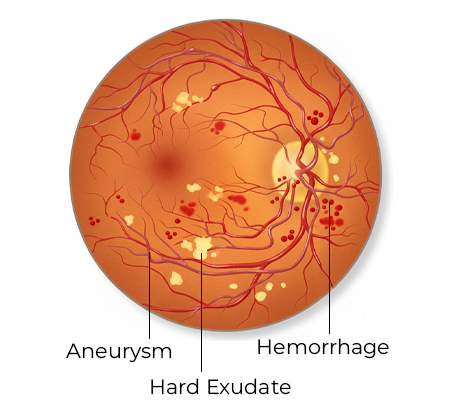
Non-Proliferative Diabetic Retinopathy (NPDR) The early stage of the disease, where weakened retinal blood vessels leak fluid or blood, gradually affects vision.
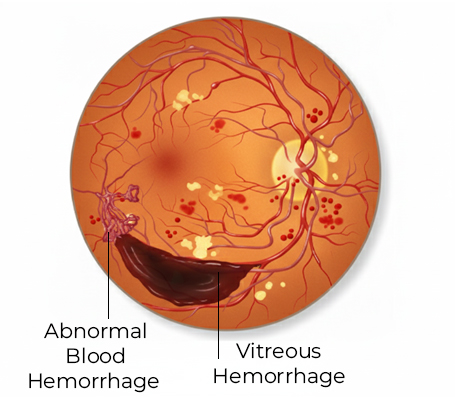
Proliferative Diabetic Retinopathy (PDR) An advanced stage where abnormal new blood vessels grow on the retina, increasing the risk of bleeding, retinal detachment, and rapid vision loss.
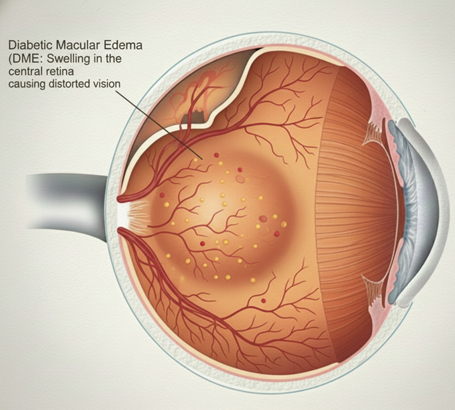
Diabetic Macular Edema (DME) Swelling of the macula (the central part of the retina), leading to blurred or distorted central vision. DME can occur at any stage of diabetic retinopathy.
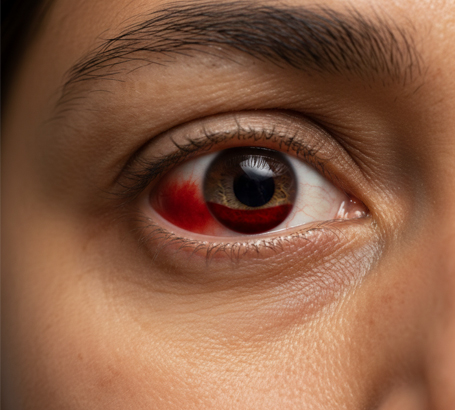
Vitreous hemorrhage Bleeding into the clear gel inside the eye, causing sudden vision loss.
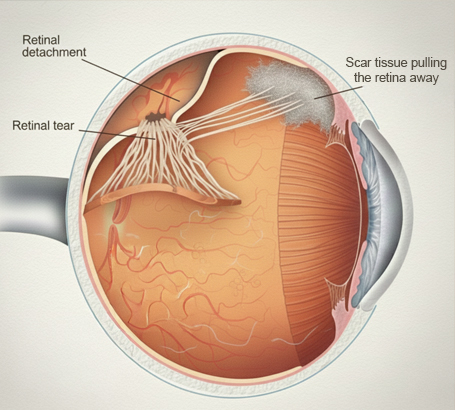
Scar tissue pulls the retina away from its normal position, leading to severe vision impairment.
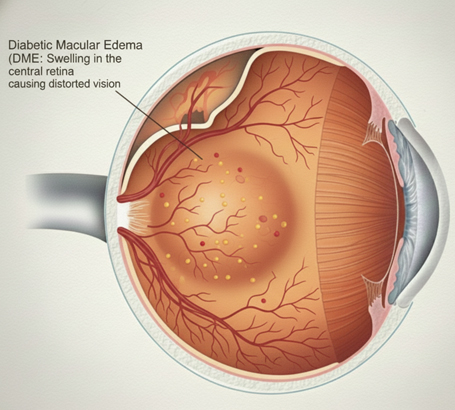
Swelling of the macula (the central part of the retina), leading to blurred or distorted central vision. DME can occur at any stage of diabetic retinopathy.
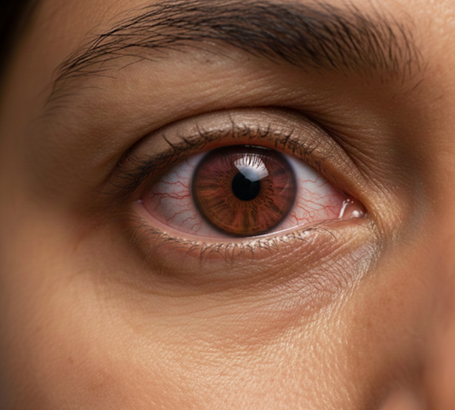
Neovascular glaucomaAbnormal blood vessels block fluid drainage, increasing eye pressure and damaging the optic nerve.
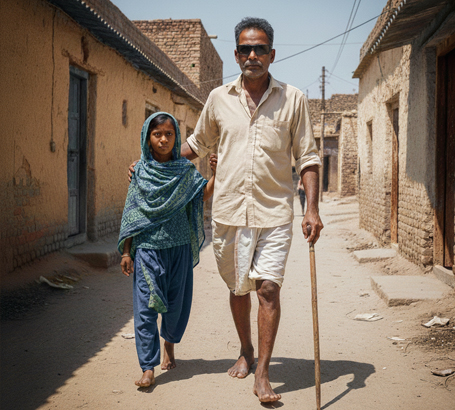
Permanent blindnessLong-standing, untreated diabetic retinopathy can result in irreversible damage.
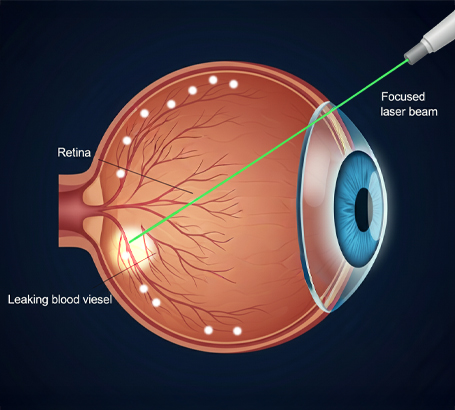
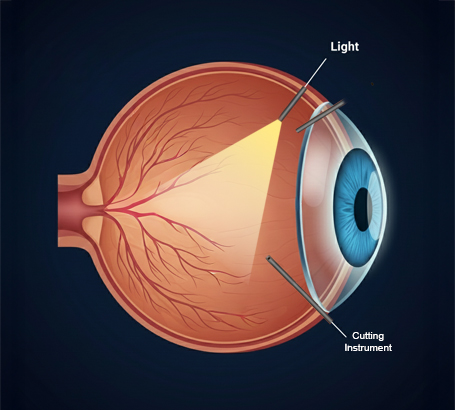
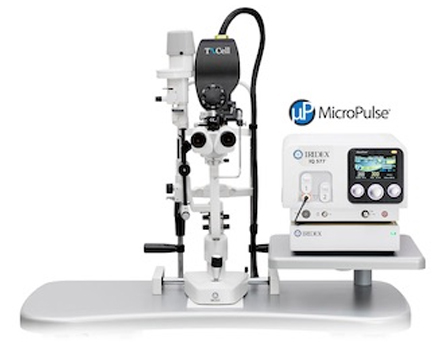
A precise laser treatment that seals leaking blood vessels and prevents further retinal damage.
Effective diabetes and systemic health management significantly slows disease progression.
Safe, well-tolerated anti-VEGF or steroid injections reduce retinal swelling and inhibit abnormal vessel growth.
A specialised surgical procedure to remove blood, scar tissue, or traction from within the eye in advanced cases.
ASG Narang Eye Institute offers world-class cataract surgery powered by advanced laser platforms, detailed corneal mapping, and personalized vision planning. With expert surgeons, a strict safety-first approach, and easy EMI options, patients enjoy sharper vision, fast recovery, and the freedom from glasses with high precision and comfort.
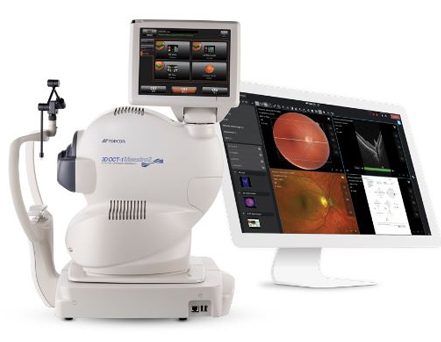
High-resolution cross-sectional imaging of the cornea and surrounding structures.
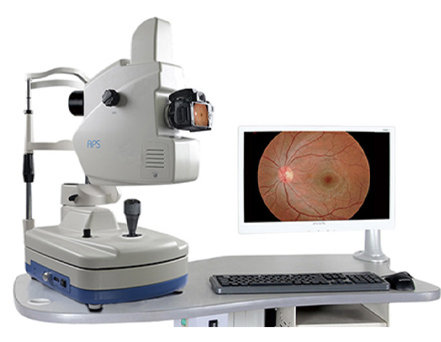
A dye-based test that shows leakage and blockages in retinal vessels.
Safe, targeted laser that seals leaks and prevents further damage.
Diabetic retinopathy is a complication of diabetes that affects the eyes. It is caused by damage to the tiny blood vessels in the retina—the light-sensitive tissue at the back of the eye. If left untreated, it can lead to severe vision loss or permanent blindness.
Consistently high blood sugar levels damage the retinal blood vessels over time. These vessels may swell and leak fluid or close off completely, blocking blood flow. In advanced stages, the eye grows abnormal new blood vessels (proliferative retinopathy) that are fragile and prone to bleeding.
Anyone with Type 1 or Type 2 diabetes is at risk. The longer you have lived with diabetes, the higher the risk becomes. Other contributing factors include poorly controlled blood sugar, high blood pressure, high cholesterol, and pregnancy.
In the early stages, diabetic retinopathy often has no symptoms. As the condition progresses, you may notice:
Floating spots or dark strings (floaters).
Blurred or fluctuating vision.
Dark or empty areas in your field of vision.
Difficulty perceiving colors.
Sudden vision loss in severe cases.
Our specialists use a comprehensive dilated eye exam to view the retina clearly. We also utilize advanced diagnostic technology, including:
OCT (Optical Coherence Tomography): To get high-resolution cross-sectional images of the retina.
Early detection is vital. We recommend a dilated eye exam at least once a year, even if your vision feels perfectly normal. If retinopathy is already present, our doctors may suggest more frequent visits to monitor progression.
While you cannot always prevent it, you can significantly reduce the risk of vision loss. Proper management of blood sugar, blood pressure, and cholesterol, combined with regular eye screenings at an ASG branch, is the best way to protect your sight.
Treatment is tailored to the severity of the disease and may include:
Intravitreal Injections: Advanced medications to reduce retinal swelling.
Laser Photocoagulation: To seal leaking blood vessels and shrink abnormal ones.
Vitrectomy: A specialized surgery for advanced cases involving significant bleeding or retinal scarring.
No. Most treatments are performed under local anesthesia or using numbing eye drops. While you may feel a slight sensation of pressure during an injection or laser session, the procedures are generally quick and comfortable.
Treatment is highly effective at stopping or slowing further vision loss. In many cases, early intervention can also improve existing vision. However, because retinal tissue is delicate, the goal is to treat the condition before permanent damage occurs.
What do you understand by Cataract? A cataract is an eye condition characterized by the…
What is LASIK Surgery? LASIK (Laser-Assisted In Situ Keratomileusis) or laser..
What do you understand by Glaucoma? A Silent Thief of Sight Glaucoma is an eye condition…