


Narang Eye Institute

Advanced Cataract Surgery with Cutting-Edge Technology

35+

Years

2

Hospitals

10+

Eye Specialists

30K+

Eye Surgery Treated

What is a cataract ?

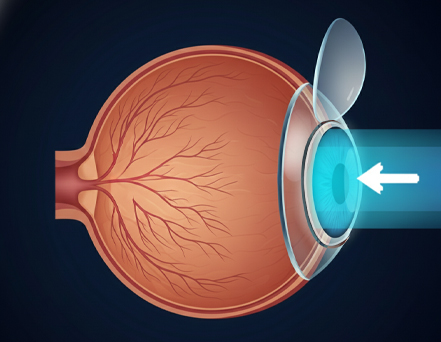
A cataract is the clouding of the eye’s natural lens, causing blurred or dim vision. Cataract usually develops with age, just like hair starts greying with age. Cataracts gradually interfere with daily activities like reading, driving, or recognising faces.

What is the treatment for cataract

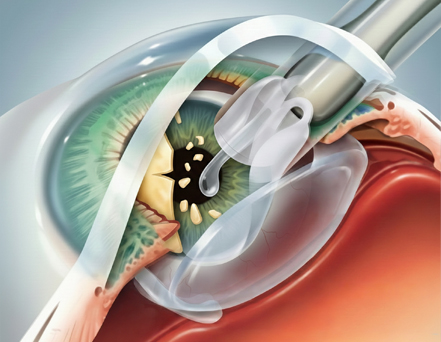
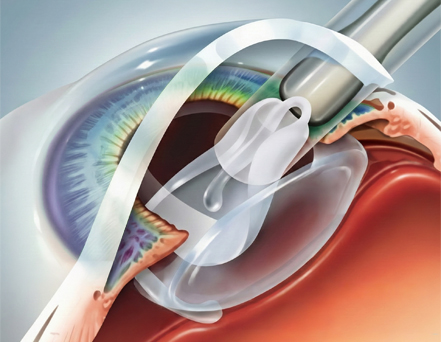
The only effective treatment is a quick, painless surgery to replace the cloudy lens with a brand new clear, artificial intraocular lens (IOL). Modern cataract surgery is safe, stitchless, and offers rapid visual recovery, often within hours.

Blurred, cloudy or dim vision

Increased glare or difficulty with bright lights

Double vision in one eye

Colours appearing faded or yellowish
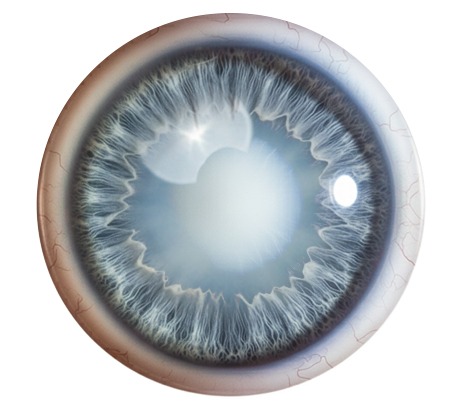
Nuclear Cataract - Natural lens centre hardens, causing gradual yellowing and blurring.
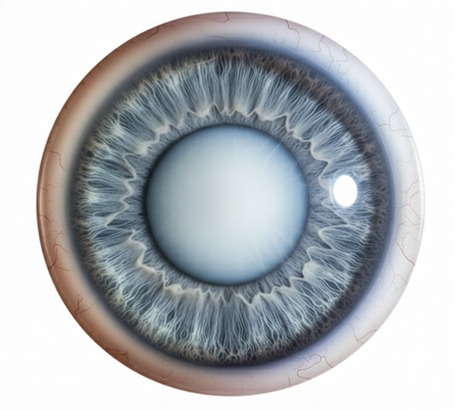
Cortical Cataract Spoke-like opacities form around lens edges affecting clarity.
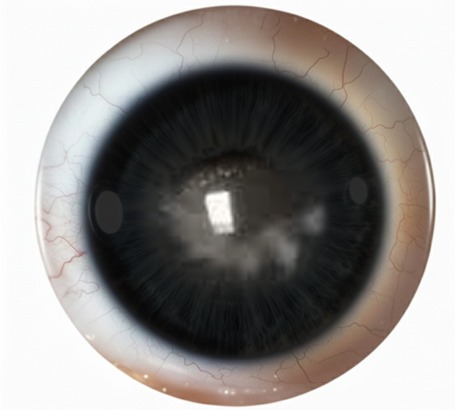
Posterior subcapsular cataract Clouding at back of lens reducing near and bright-light vision.

Congenital cataracts  Present at birth, affecting early vision development significantly.
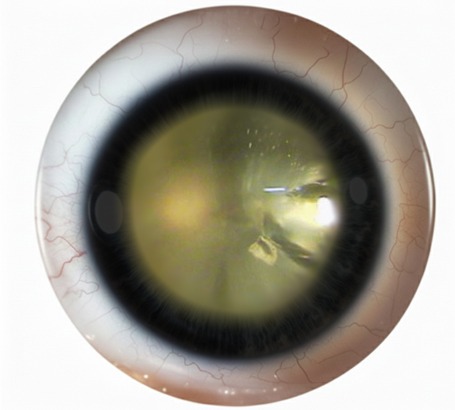
Traumatic Cataract Lens becomes cloudy after eye injury or blunt trauma.

Secondary Cataract Lens opacity develops after surgery due to pre-existing medical conditions./p>
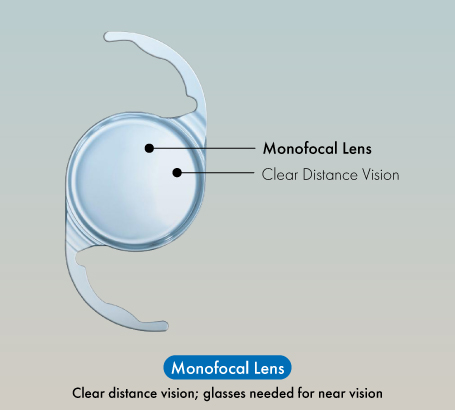
Monofocal Lens Clear distance vision; glasses needed for near vision
Trifocal Lens provides near intermediate distant vision without glasses
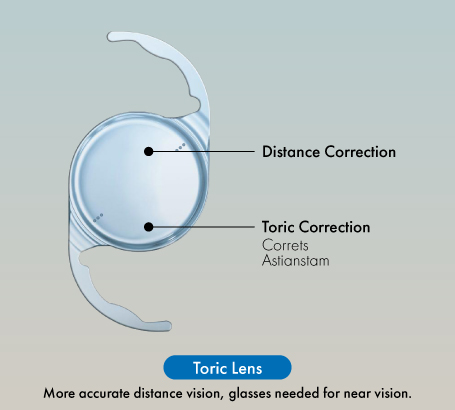
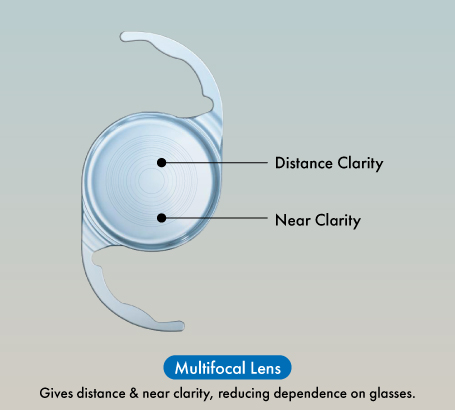
Multifocal Lens provides distance and near clarity reducing glasses
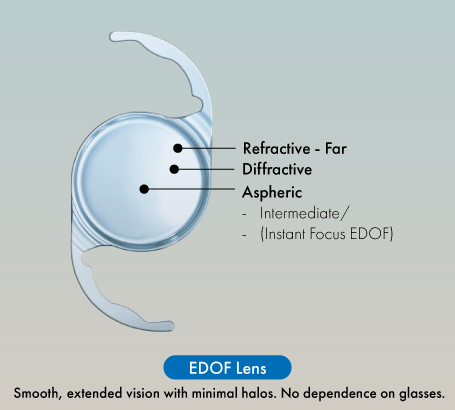
EDOF Lens gives extended focus vision halos no glasses
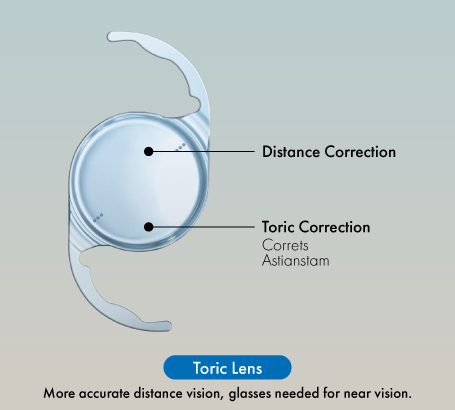
Trifocal Lens provides near intermediate distant vision without glasses


Treatment Options for Cataracts (Surgical)

Why Choose ASG Narang Eye Institute

ASG Narang Eye Institute offers world-class cataract surgery powered by advanced laser platforms, detailed corneal mapping, and personalized vision planning. With expert surgeons, a strict safety-first approach, and easy EMI options, patients enjoy sharper vision, fast recovery, and the freedom from glasses with high precision and comfort.

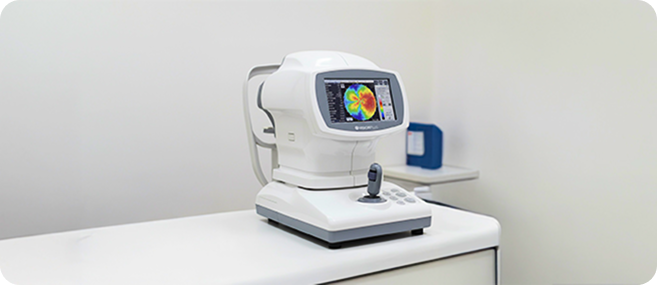
The cutting-edge technologies powering ASG Cataract care

Guidance from Our Eye Experts

Your step-by-step Cataract surgery journey

  • Comprehensive eye exam
  • Discussing lifestyle needs and lens options.
  • Personalized treatment plan

Consultation

1

  • Detailed pre-surgery checks
  • Guidance on medications as needed.
  • Step-by-step surgery walkthrough.

Preparation

2

  • Quick, painless outpatient surgery (15 mins).
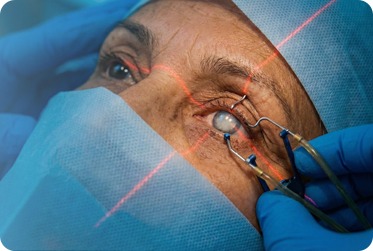
  • Advanced phaco or laser-assisted techniques.
  • Placement of your chosen intraocular lens (IOL).

Surgery

3

  • Return to daily activities with minimal downtime.
  • Mild sensitivity as vision sharpens.
  • Follow-ups to ensure smooth recovery

Recovery

4

Patient Experiences

Clear Answers for Better Vision

What is a cataract?
A cataract is a clouding of the eye’s natural lens, which leads to blurry vision, glare, and difficulty with daily activities like reading or driving. It occurs most commonly due to aging but can also result from diabetes or eye injuries.
Symptoms include blurry or cloudy vision, increased glare (especially at night), difficulty seeing in low light, colors appearing faded, and frequent changes in spectacle prescriptions.
Our specialists perform a comprehensive eye exam using advanced diagnostic tools to assess lens clarity, retina health, and intraocular pressure to ensure an accurate diagnosis.
Surgery is recommended when the cataract begins to interfere with your quality of life—such as making it hard to drive at night or read. There is no need to wait for the cataract to “mature” or become “ripe” before undergoing modern surgery.
Yes. Cataract surgery is one of the safest and most successful medical procedures worldwide. At ASG, our surgeons have performed (thousands of successful surgical procedures using state-of-the-art technology.
The cloudy lens is gently removed and replaced with a clear artificial lens (Intraocular Lens or IOL). At ASG, we specialize in Phacoemulsification and MICS (Micro-Incision Cataract Surgery), which use ultra-small incisions for faster healing.
This depends on your choice of lens. While standard lenses (Monofocal)may still require reading glasses, our Premium IOLs (Multifocal, Trifocal, or EDOF) can significantly reduce or even eliminate your dependence on glasses for both distance and near vision.
Most patients notice a significant improvement in vision within 24 to 48 hours. While full healing takes about 4 weeks, most people return to light daily activities the very next day.
While complications are rare, as with any surgery, there are minimal risks such as inflammation or infection. Our surgeons /councilors discuss these in detail during your consultation to ensure you are fully informed.
No, a cataract cannot return. However, some patients may experience blurring of vision fewmonths after surgery, which results from a “secondary cataract” (PCO), which causes slight cloudiness behind the new lens. This is easily corrected with a quick, painless 2-minute YAG Laser procedure at our clinic.
No. We use “topical anesthesia” (numbing eye drops), meaning there are no injections and no pain. You may feel a slight sensation of pressure, but the procedure is generally very comfortable.

Every Angle of Vision.
Every Kind of Care.

Book Your Appointment

Submit Your Request

Get a Call from Our Team

Meet Your Specialist

Begin Your Eye Care Journey

Please wait...

Our Branches